
From Claims to Strategy: Jason Doueihi on Leading Through Insurance Change
Insurance is often mistaken for a business of certainty. From the outside, it can look like a world of policy wordings, actuarial logic and carefully priced risk. In reality, it is a sector shaped by movement: shifting regulation, changing customer expectations, emerging exposures and constant pressure on commercial performance. The leaders who last in that environment are rarely the ones who rely on abstract strategy alone. They are usually the ones who understand how the industry behaves when pressure reaches the operational core. That is where trust is tested, where judgment becomes visible and where the line between technical discipline and commercial instinct starts to matter most.
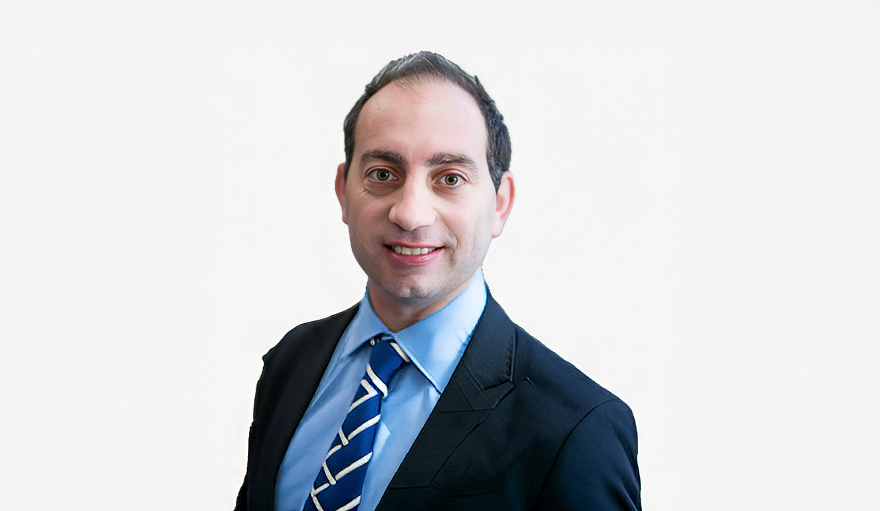
Jason Doueihi’s career has been built from that point outward. He began in claims management, close enough to the mechanics of insurance to see how policy, service and customer outcome collide in real time, before moving into leadership and eventually founding his own insurance business in 2014. That progression gave him more than seniority. It gave him a broader way of reading the industry itself: as a business where growth, risk, accountability and customer trust are never far from one another. What follows is a conversation shaped by that perspective, from the lessons of the claims floor to the demands of leadership in a sector that is becoming more digital, more complex and less forgiving of weak judgment.
Q: You began your career in claims management. What did those early years teach you about the insurance business that still shapes your leadership today?
A: Starting in claims gave me a very strong grounding in the realities of insurance. It taught me early that the business is not only about policies and pricing, but about how those things perform when customers actually need them. Working closely with policy structures, regulation and customer outcomes gave me a clear understanding of the drivers of profitability, service and risk. That technical foundation has stayed with me throughout my career. Even now, at a strategic level, I want decisions to remain anchored in sound risk management and a proper understanding of how they affect the customer in practice.
Q: You later moved into leadership roles and then founded your own insurance business in 2014. How did that shift change the way you understood the industry?
A: Moving into leadership broadened my perspective significantly. Managing a claims team meant taking responsibility not just for technical decisions, but for performance, efficiency and the way people worked together. It also deepened my appreciation of the relationship between service, process and commercial outcomes. Founding my own business in 2014 changed the picture again. Building something from the ground up gave me end-to-end exposure across product, distribution, compliance and financial management. It sharpened my commercial judgment, but it also taught me how to make decisions with incomplete information and how important it is to stay close to both the customer and the market.
Q: Looking back, what are you proudest of in the way you built that business from the ground up?
A: The achievement I am proudest of is not only that I started the business, but that I was able to build it around a clear opportunity and a sustainable growth model. In the early stages, the challenge was to identify where we could create real value, then shape a product offering and distribution strategy strong enough to support long-term growth. A key part of that was developing strategic partnerships and making sure the commercial model could stand up over time. More than anything, that period shaped the way I lead. It forced me to be decisive, adaptable and deeply focused on the customer, while keeping a close eye on resilience and execution.
Q: Across your career, which values have remained non-negotiable in the way you lead and make decisions?
A: Integrity, accountability and customer focus have remained constant. In insurance, trust is fundamental, so I place a high priority on decisions that are transparent, ethical and aligned with both regulatory expectations and customer outcomes. That becomes especially important when commercial pressure is high. I also believe strongly in accountability. People perform better when ownership is clear, and organisations become stronger when leaders are willing to stand behind outcomes, whether those outcomes are positive or challenging. Then there is the customer. Whether the issue is claims handling or wider strategy, I always come back to how a decision affects the person at the other end of it. In this industry, service experience remains one of the clearest ways to build long-term value.
Q: You describe your style as structured and outcomes-driven, while also giving teams entrepreneurial ownership. How does that work in practice?
A: For me, it starts with understanding the problem properly. In insurance, that means looking beyond the immediate issue and asking what sits underneath it, whether that is risk, regulation, stakeholder impact or unintended consequences. Once that is clear, I want the right people around the table. Complex problems rarely sit with one team, so I place a lot of value on collaboration and on bringing in a range of perspectives before choosing a path forward. From there, the focus is on clear ownership, defined timelines and flexibility if conditions change. The entrepreneurial part comes in through the way I lead teams. I encourage people to take initiative and treat their area almost like a small business within the wider organisation. That creates accountability, encourages innovation and often produces stronger solutions than a purely top-down model would.
Q: In a business environment defined by change, what does effective leadership in insurance look like now?
A: I think it comes down to a balance of vision, adaptability and people focus. Leaders need to set a clear strategic direction that connects market opportunity with long-term value, but they also need to respond quickly as conditions change. Technology, customer expectations and market behaviour are all moving faster, so leadership has to be flexible without becoming reactive. At the same time, I do not think sustainable success is possible without a strong people focus. You need engaged teams, real accountability and a culture where people feel valued and trusted. The leaders who do that well tend to build stronger performance and more resilient organisations.
Q: As the sector becomes more digital, more data-driven and more exposed to new forms of risk, which shifts do you think will matter most over the next few years?
A: Digital transformation and data-led decision-making will continue to shape the industry in a major way. Customers increasingly expect more seamless and personalised experiences, and insurers that can use data well will have a clear advantage. At the same time, the risk environment is becoming more complicated. Cyber threats, climate-related exposures and changing regulation all demand a careful balance between innovation and discipline. You need to develop products and solutions that respond to new conditions, but you also need strong compliance and risk frameworks underneath them. The other big issue is talent. The sector will need more people with digital, analytical and strategic capability, and attracting and retaining that talent will be critical. The industry’s future will depend not only on technology, but on leadership that knows how to use it responsibly.