
Nissan CEO Espinosa Focuses on Immediate Turnaround Strategy
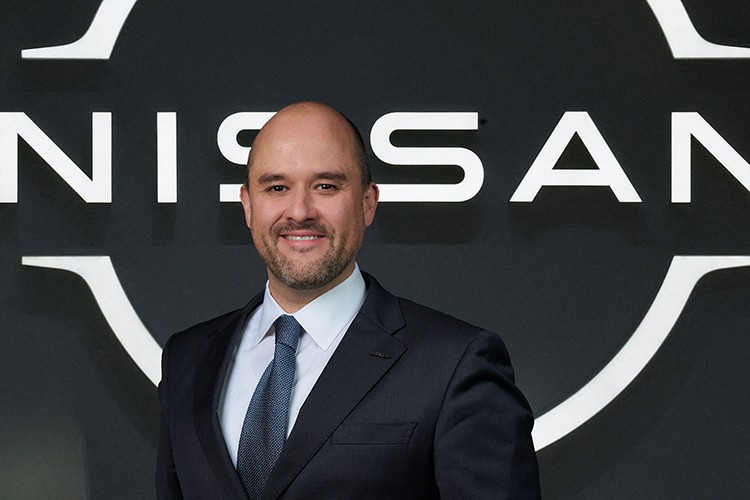
Nissan's new CEO, Iván Espinosa, has outlined a robust short-term strategy to address the company’s financial and operational challenges. Having taken over the role in April 2025, Espinosa is steering the company through a period of significant restructuring, aimed at improving profitability and streamlining operations.
At the core of Espinosa's strategy is a focus on cost-cutting measures, including a reduction of approximately 20,000 employees globally, representing about 15% of the workforce. This move is part of a broader effort to tighten the company's financial belt, which also includes freezing merit-based pay raises and closing seven production facilities by 2027. These closures will decrease the number of plants from 17 to 10, helping Nissan save significant costs and better align its operations with market demand.
To generate much-needed capital, Espinosa is looking to raise over £5 billion through asset sales, including divesting stakes in key subsidiaries like Renault and AESC Group. Additionally, the company is exploring a £1 billion UK government-backed loan and issuing high-yield convertible securities and bonds in both U.S. dollars and euros. These financial moves are designed to strengthen Nissan’s liquidity and support its long-term viability.
Nissan is also focusing on speeding up its product development cycle. The goal is to bring new car models to market within 37 months, and offshoot models in just 30 months, a timeline that reflects the company's commitment to adapting quickly to market trends and consumer needs. Espinosa is leveraging Nissan’s legacy in eco-friendly technology and autonomous driving innovations to drive future growth.
With these bold actions, Espinosa aims to position Nissan for a more sustainable and profitable future, despite the challenges the company faces. This leadership shift signals a new direction for Nissan, where decisive actions in the short-term are key to ensuring long-term success in the competitive automotive market.